
Dog Training FAQs San Diego

Straight answers to the questions San Diego dog owners ask us most, grouped by service so you can go right to what you need. Cannot find your question? Call (760) 978-5513 or send us a message and we will answer it personally.
Browse the FAQs by topic
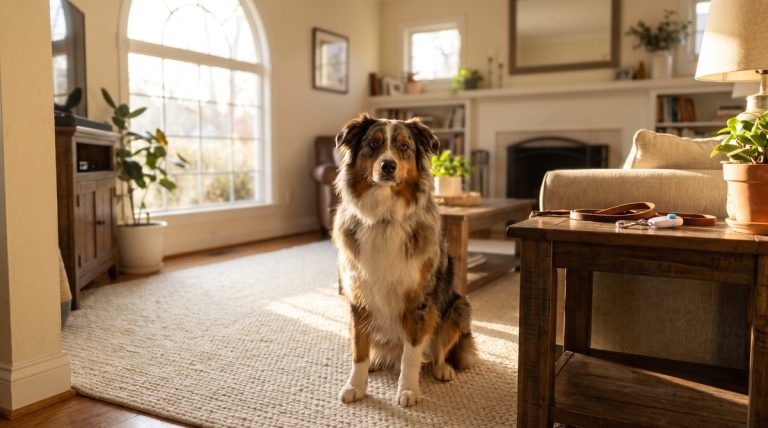
General Questions
8 questions
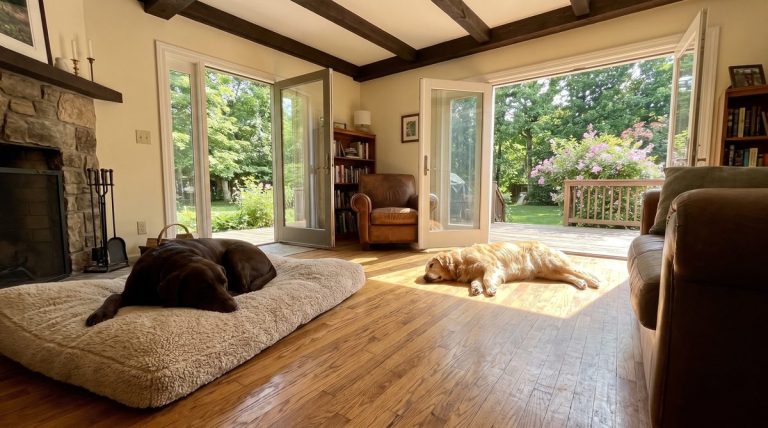
Board & Train
8 questions
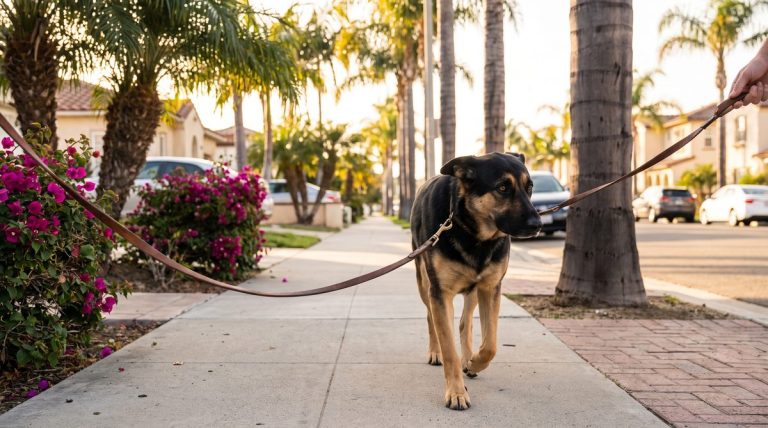
Behavior Modification
9 questions

Puppy Training
7 questions

Emotional Support Dogs
6 questions
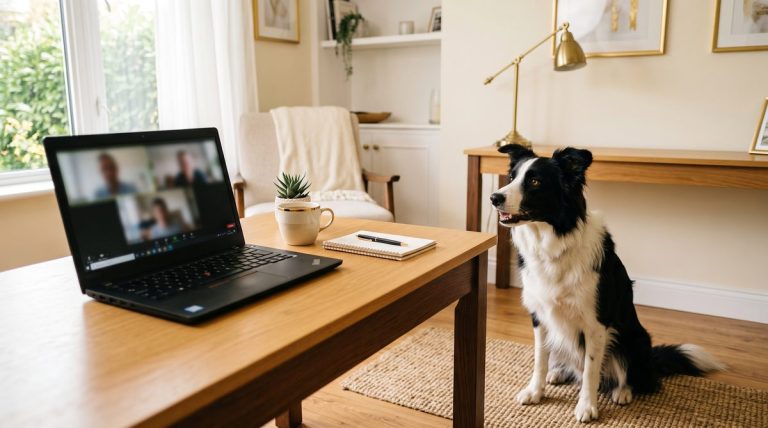
Virtual Training
6 questions

Cost & Scheduling
7 questions
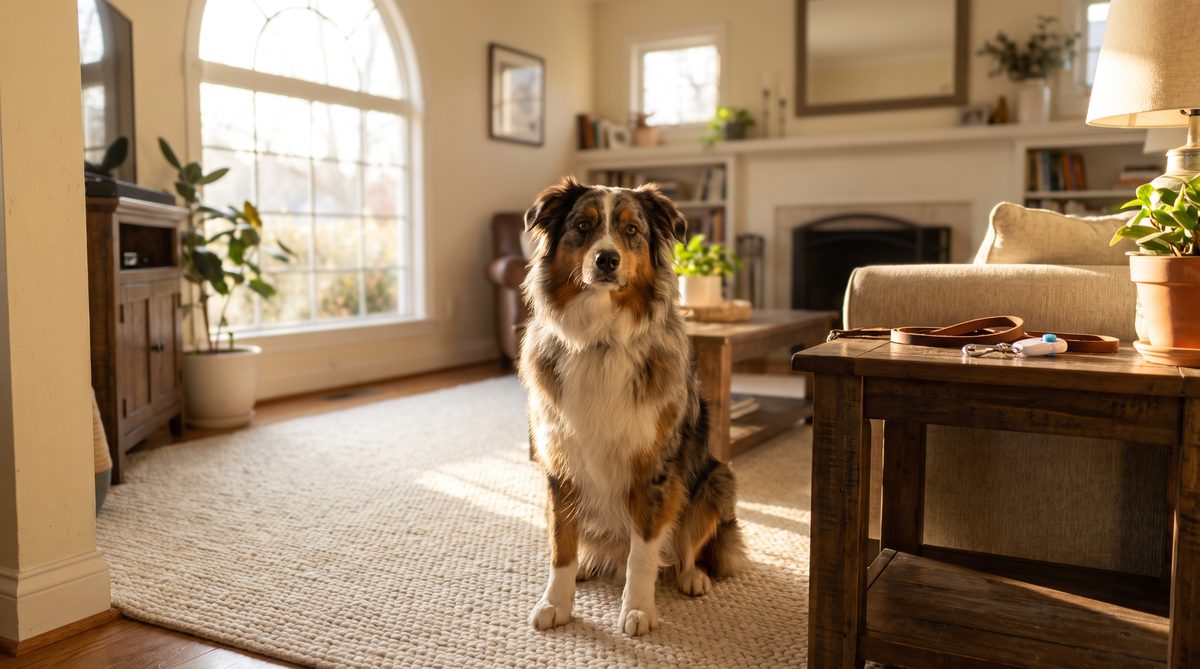
General Dog Training Questions
New to professional dog training? Start here. These cover how Dog Busters works, who trains your dog, and what to expect.
What services does Dog Busters offer?
Dog Busters offers five programs: behavior modification, home-based board and train, puppy training, emotional support dog training, and virtual training by Zoom or FaceTime. Every program uses positive reinforcement and is built around your dog, not a group curriculum.
Are you a certified professional dog trainer?
Yes. Dog Busters is run by a certified professional dog trainer with hands-on behavior modification experience, including time spent training inside a traditional board and train facility. If you are comparing trainers, our guide to the questions to ask when hiring a dog behaviorist is a good place to start.
What training method do you use?
Positive reinforcement, paired with clear structure and consistent repetition. We reward the behavior we want instead of punishing the behavior we do not, and we teach you the same cues so the results hold at home. Read why owners choose Dog Busters over big-box classes.
Which behavior problems can you help with?
Aggression, reactivity, anxiety, separation anxiety, leash pulling, excessive barking, jumping on people, destructive chewing, potty training, food stealing, begging, play-biting, fear-based behavior, and basic through advanced obedience. If the behavior is making daily life harder, it is worth a conversation.
How do you find the root cause of my dog's behavior?
We assess before we train. Problem behavior usually traces back to fear, frustration, missing socialization, inconsistent handling, genetics, or a past experience. Identifying which one is driving your dog lets us build a targeted plan instead of suppressing a symptom. Here is how to tell if your dog needs behavior modification.
Is my dog too old to train?
No. Older dogs often learn faster than puppies because they have longer attention spans and better impulse control. Age changes the pace, not the outcome. We regularly retrain adult and senior dogs with long-standing habits. See why dog training works for older dogs.
Can you help with a newly adopted rescue dog?
Yes, and the first few weeks matter enormously. Rescue dogs often arrive with unknown history, decompression needs, and habits formed somewhere else. Starting structure early prevents problems from setting in. Our guide to rescue dog training in San Diego covers the first 30 days.
Do you have results I can look at?
Yes. Read client testimonials, watch the training videos, or read individual transformations like Ollie going from fearful to confident and Poppy going from anxious to confident. Real dogs, real San Diego families, documented start to finish.
Board and Train Questions
Your dog lives in a real home with a certified trainer, not a kennel run. Here is how the program actually works.
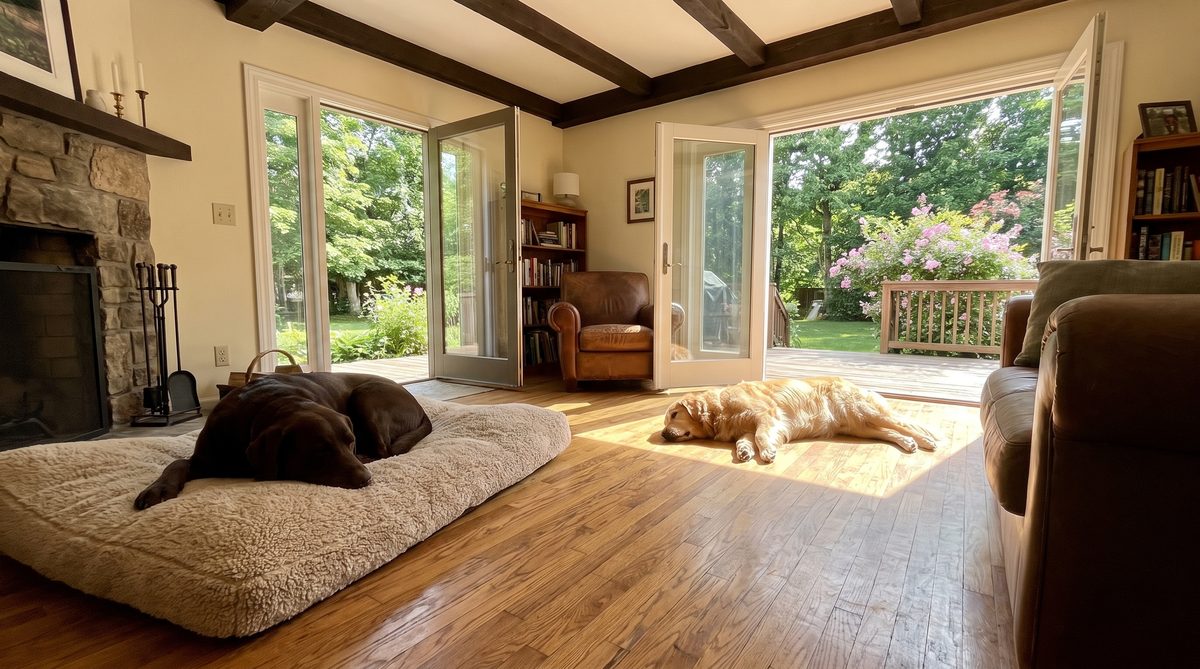
How is your board and train different from a training facility?
Most programs keep dogs in runs or cages between sessions. Ours takes place in a home. Your dog lives with a certified professional trainer, plays in the yard, sleeps on a dog bed, and practices behavior in the environment it actually needs to work in. Read why home-based training outperforms facilities.
How long is a board and train stay?
There is a 7 to 10 day minimum, and most dogs stay 10 to 20 days. The exact length depends on what we are working on: basic manners resolve faster than deep-rooted reactivity or separation anxiety. We recommend a length after assessing your dog, never before.
How many dogs do you take at once?
Space is deliberately limited. Because your dog lives in a home rather than a kennel, we only take a small number at a time, which is what makes the one-on-one attention possible. It also means dates fill early, so reach out well ahead of travel or a deadline.
What does my dog do all day?
Structured training sessions are spread through the day and interleaved with normal life: yard time, deck time, rest on comfortable dog beds, and one-on-one attention. That rhythm is the point. Behavior learned during real household routines transfers home far better than behavior drilled in a training room.
Will the training hold once my dog comes home?
Only if you are part of it, which is why we build handoff into the program. You get the cues, the exercises, and the structure your dog learned, so you are reinforcing the same thing we were. A dog returned to the old routine will drift back to old behavior.
Can board and train fix separation anxiety?
It is one of the strongest use cases. A home environment lets us work on graduated alone-time in the exact context the anxiety shows up in, something a kennel cannot replicate. See how a trainer addresses separation anxiety for the approach.
Does board and train work for aggressive or reactive dogs?
Often yes, after an assessment. Aggression cases need controlled exposure, careful management, and a trainer reading body language all day, which the immersive format supports well. Read how board and train transforms problem behaviors and why aggression is treatable.
What do I need to send with my dog?
Food your dog already eats, current vaccination records, any medication with instructions, and their regular collar and leash. Keep it simple. Sending a familiar bed or blanket is optional but helps some dogs settle in during the first night or two.
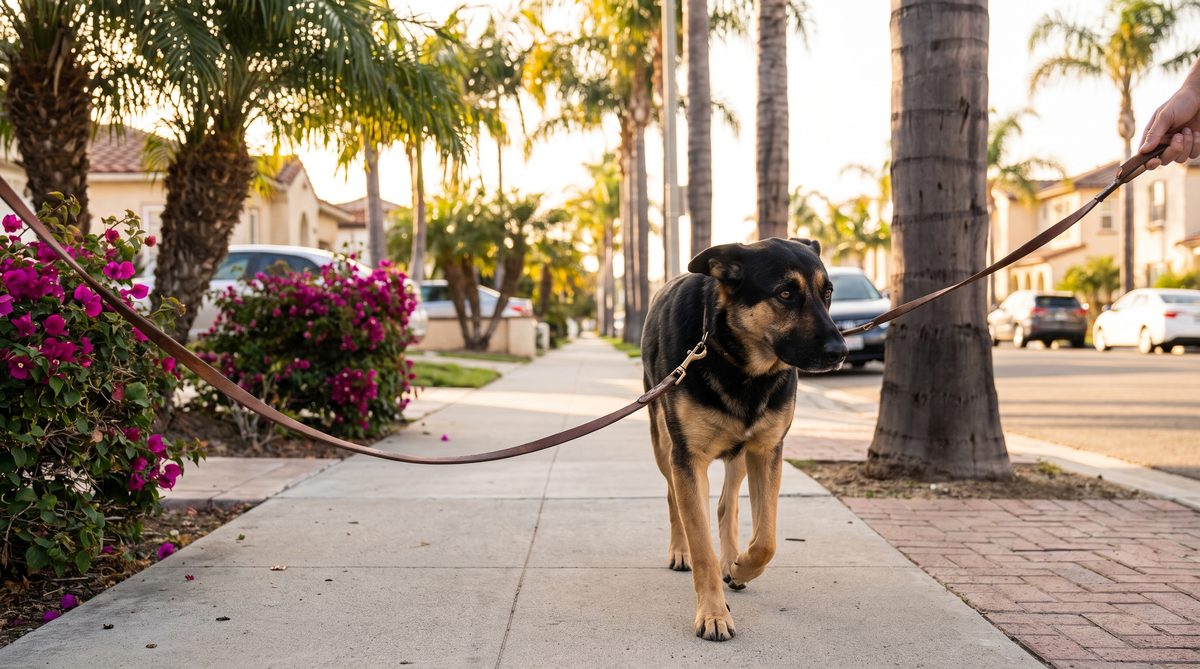
Behavior Modification Questions
Aggression, reactivity, anxiety, and fear are behavior problems, not personality flaws. Here is how we change them.
What is behavior modification, exactly?
It is reshaping an unwanted behavior pattern rather than layering obedience on top of it. We identify the trigger, change your dog's emotional response to it, and build a replacement behavior. That is different from teaching sit and stay. Read how to tell if your dog needs it.
Can you work with an aggressive dog?
Yes, with a professional assessment first. Aggression has triggers, and triggers can be identified, managed, and changed with the right protocol. It is not a case for guesswork. Read how behavior modification transforms aggressive dogs.
My dog only reacts on leash. Is that different?
Leash reactivity is its own pattern. The leash removes your dog's ability to create distance, which turns uncertainty into a loud display. It usually responds well to threshold work and handler mechanics. See why leash aggression needs a professional.
Can you help an anxious or fearful dog?
Yes. Fear-based behavior needs confidence building and careful desensitization, not correction, which tends to make it worse. Rushing exposure backfires. Read why fearful dogs need a professional and how training helps anxiety.
How do you handle separation anxiety?
With a graduated absence protocol, environmental changes, and independence work, built around what your dog can currently tolerate. Punishment and crate-and-hope both make it worse. See how a trainer addresses separation anxiety for the full method.
Why not just train my dog myself?
You can teach obedience yourself. Behavior modification is different: techniques like desensitization and counter-conditioning cause harm when done in the wrong order or at the wrong intensity. A professional brings assessment, sequencing, and consistency, and keeps a common mistake from making the behavior worse.
How long does behavior modification take?
It depends on how long the behavior has been rehearsed and how consistently it is practiced between sessions. Mild issues can shift in a few weeks. Deep-rooted aggression or anxiety is a longer arc. Consistency between sessions moves the timeline more than session count does.
Can you stop my dog from barking constantly?
Yes, once we identify what the barking is for. Alert barking, demand barking, boredom barking, and anxiety barking all look similar and need different solutions. Treating the wrong one is why generic advice fails. Read how training solves barking for good.
What about jumping on people and other bad manners?
Jumping, counter surfing, door dashing, and food stealing are all rehearsed habits that pay off for your dog. We remove the payoff and install a behavior that pays better. See how to stop a dog from jumping for the mechanics.
Puppy Training Questions
The window between 8 and 16 weeks shapes your dog for life. Here is how to use it well.

When should puppy training start?
As early as 8 weeks. The critical socialization period runs from roughly 8 to 16 weeks, and what your puppy experiences during it shapes adult temperament more than anything you do later. Waiting until six months means undoing habits instead of preventing them. See when to start puppy training.
Are group puppy classes better for socialization?
Not necessarily. Large classes can overwhelm a soft puppy, let a bold puppy rehearse rude behavior, and teach both that other dogs are more interesting than you. Quality of exposure beats quantity. Read what real socialization looks like.
What does puppy training actually cover?
Potty training, crate comfort, name response and recall, loose leash walking, bite inhibition, handling and grooming tolerance, and impulse control around food, doors, and guests. We also address chewing, mouthing, and jumping before they become the adult version of themselves.
How do I stop my puppy from biting my hands?
Puppy mouthing is normal and it is also trainable. We teach bite inhibition so your puppy learns to control pressure, then redirect the behavior onto appropriate outlets. What we avoid is punishment, which usually escalates arousal and makes the mouthing harder rather than softer.
How long does potty training take?
Most puppies are reliable within a few weeks on a consistent schedule, but reliability depends far more on supervision and routine than on the puppy. Accidents are almost always a management failure, not a dog failure. Adult dogs can be house-trained too, on a similar structure.
What should I do before our first session?
Have vaccination records handy, know your puppy's current feeding and potty schedule, and jot down the behaviors that concern you most. Bring high-value treats your puppy actually likes. Our guide on preparing for a first training session covers the rest.
Do you train the family too, or just the puppy?
The family. A puppy who gets three different rules from three different people learns that rules are negotiable. We teach everyone in the household the same cues, criteria, and rewards so your puppy sees one consistent set of expectations.

Emotional Support Dog Training Questions
Emotional support dogs need stability and calm, not public access drills. Here is what the training involves.
What is the difference between an emotional support dog and a service dog?
A service dog is individually trained to perform specific tasks and has public access rights. An emotional support dog provides comfort through presence and does not carry the same access rights. The training goals differ accordingly: we focus on stability and bonding rather than public access work.
Does an emotional support dog need special training?
Legally, no. Practically, yes. A dog that is reactive, anxious, or uncontrollable cannot provide steady comfort, because it needs comfort itself. Training builds the calm, responsive temperament that makes the role work. Read whether emotional support training is right for your dog.
What skills do you actually teach?
Reliable calm in changing environments, impulse control, strong recall and handler focus, settling on cue, and the ability to stay regulated when their person is not. The last one matters most and is the piece generic obedience classes skip entirely.
Can my current dog be trained for this role?
Often yes, depending on temperament. A dog with a stable baseline and a strong bond to you is a good candidate. A dog with significant fear or reactivity needs behavior modification first. We assess honestly rather than tell you what you want to hear.
Do you provide certification or registration?
No, and be cautious of anyone who sells it. Emotional support animal registries and certificates have no legal standing in the United States. What matters is documentation from a licensed mental health professional and, separately, a dog whose behavior holds up in the real world.
How long does emotional support dog training take?
It varies with your dog's starting temperament and your goals. A stable dog building settle and focus skills moves quickly. A dog that first needs anxiety or reactivity addressed takes longer. We give you a realistic timeline after assessing, not before.
Virtual Dog Training Questions
Live coaching by Zoom or FaceTime, in the room where the behavior actually happens. It works better than most people expect.
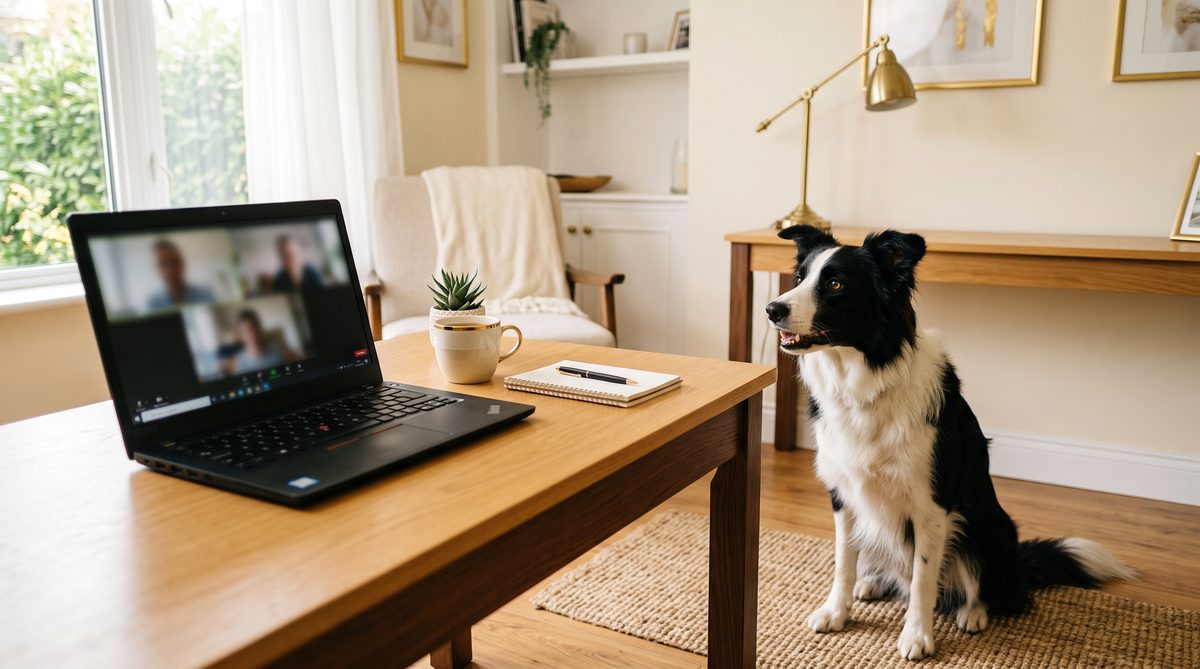
Does virtual dog training actually work?
Yes, and for many issues it has an advantage: we see your dog behaving normally in its own home instead of on best behavior in a strange room. You also do the handling from day one, which is what makes it stick. Read the honest answer here.
What can and cannot be done virtually?
Obedience, house manners, potty training, barking, jumping, puppy foundations, separation anxiety, and handler mechanics all work well remotely. Cases needing hands-on management, like serious bite-history aggression, are better suited to in-person or board and train work. We will tell you which one you are.
What do I need for a virtual session?
A phone, tablet, or laptop with a camera, a stable connection, and enough room for your dog to move. Treats your dog values and a regular leash. Propping the camera so we can see your dog's whole body, not just the head, makes a real difference.
Do I have to live in San Diego?
No. Virtual training is available anywhere. Distance is not an obstacle to changing behavior, and clients well outside San Diego County work with us this way. If you are local, see our service areas for in-person options.
Is virtual training only for minor issues?
No. Handler mechanics, timing, and consistency drive most outcomes, and those are exactly what live coaching fixes. Serious anxiety and reactivity cases are regularly handled remotely. Read why virtual trainers work for behavior problems.
How long is a virtual session?
Long enough to assess, demonstrate, coach you through the exercise, and set your homework, without pushing your dog past its attention span. Short focused sessions repeated consistently beat long ones. We plan the cadence around your dog and your schedule.
Cost, Scheduling and Service Area Questions
What drives the price, how to book, and where we work across San Diego County.
How much does dog training cost?
It depends on the program and what your dog needs: how severe the behavior is, how long it has been rehearsed, whether the work is virtual, in-home, or a board and train stay, and how long the program runs. We quote after assessing your dog. Tell us what is going on and we will give you a real number.
Why do you not publish prices?
Because a published price would be wrong for most dogs. A puppy learning manners and a four-year-old with a bite history do not need the same program, and pricing them the same would mean overcharging one and underserving the other. The consultation costs you nothing.
Is the consultation free?
Yes. Call (760) 978-5513, email info@dogbusterssandiego.com, or use the contact form. Tell us what your dog is doing, how long it has been happening, and what you have already tried. That is enough for us to recommend a program.
How do I book a session?
Call (760) 978-5513 or fill out the contact form and select the service you are interested in: behavior modification, virtual training, or board and train. We will follow up to assess your dog and schedule from there.
Which areas of San Diego do you serve?
We work throughout San Diego County, including La Jolla, Carlsbad, Encinitas, Del Mar, Poway, Chula Vista, Oceanside, and more. See all service areas.
How far in advance should I book?
For board and train, as early as you can. Space is limited by design, and dates around holidays and travel seasons go first. For virtual and in-home sessions the lead time is shorter, but the sooner you start, the less rehearsal the behavior gets.
How should I keep my dog safe in San Diego heat?
Train and exercise in the early morning or after sunset, check pavement with the back of your hand, and never leave a dog in a parked car. Heat also shortens tolerance and can make reactivity worse. Read our San Diego heat safety guide.
Still have a question about your dog?
Tell us what your dog is doing, how long it has been happening, and what you have already tried. The consultation is free and there is no obligation.