
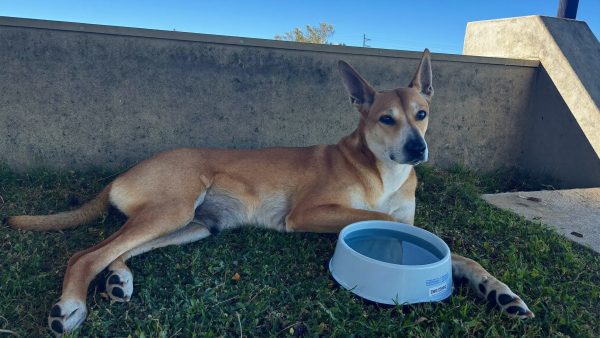
 San Diego summers mean blistering heat, and your dog pays the price. While you’re managing heat safety—protecting paws from scorching pavement, scheduling walks before sunrise and after sunset—you’re also watching your dog’s activity plummet and behavioral problems spike. Dog Busters San Diego helps you keep your dog safe in extreme heat while addressing the under-exercise and frustration that makes summer such a difficult season for dog owners.
Why Summer Heat Changes Your Dog’s Behavior
Dogs need daily physical and mental stimulation. In summer, the heat makes traditional daytime exercise impossible. Morning walks end by 6 a.m., evening walks don’t start until 7 p.m., and midday is off-limits. That leaves a massive gap in your dog’s activity budget.
An under-exercised dog becomes destructive, anxious, or reactive. He’ll pace, bark excessively, pull harder on leash, or display behaviors you thought he’d outgrown. He’s not being “bad”—he’s frustrated. His body is telling him he needs to move, and he has nowhere to direct that energy.
Understanding Heat Stress in Dogs
Dogs don’t regulate temperature the way humans do. They can’t sweat across their whole body; they mainly rely on panting and releasing heat through their paw pads. According to the American Kennel Club, a dog’s normal resting temperature ranges from 99 to 102.5 degrees Fahrenheit. Any temperature above 104 signals heat stress; above 106 is heatstroke requiring emergency care.
San Diego’s summer temperatures routinely exceed 90 degrees, and the heat radiating from pavement, parking lots, and direct sun makes the effective temperature much higher for your dog. Certain breeds—thick-coated, flat-faced, or larger dogs—are even more vulnerable.
Signs Your Dog Is Overheating
Heat stress shows up gradually. Early signs include seeking shade constantly, choosing to lie down instead of play, restlessness, excessive panting, drooling, and loss of appetite. More severe heat exhaustion brings difficulty breathing, weakness, vomiting, reddening of the skin, or collapse.
Don’t wait for collapse. If you see heat stress symptoms, move your dog to shade, offer cool water, and consider a cool (not cold) bath. The ASPCA recommends bringing your dog to a veterinarian if the temperature reaches 103 degrees F or you’re unable to reduce body temperature significantly.
Safe Summer Exercise Strategies
Virtual training becomes invaluable in summer. A trainer can coach you through behavior exercises—impulse control, focus work, problem-solving games—that exhaust your dog mentally without requiring outdoor heat exposure. Indoor mental work burns as much energy as physical exercise, and your dog stays cool.
Board-and-train programs offer another route: your dog gets structured training and safe exercise in a professional environment while you’re freed from the burden of finding cool time slots. For dogs with extreme summer frustration, even a 2-week intensive program can reset behavior and build confidence.
At home, prioritize early morning and late evening walks when pavement is cool. Walk at a slower pace—casual strolls instead of vigorous exercise. Rotate surfaces: grass and shade instead of exposed pavement and sun. Always bring water and take frequent breaks.
Indoor Enrichment During Peak Heat
The hours between 10 a.m. and 6 p.m. are dangerous for outdoor activity, but your dog still needs stimulation. Frozen treats, puzzle toys, sniff games, and indoor training sessions fill the gap. Behavior modification training can specifically target the destructive or reactive behaviors that spike during summer, giving your dog skills he’ll keep year-round.
Dogs withanxiety may struggle even more during summer—heat plus isolation from normal exercise amplifies stress. Indoor training provides structure and confidence-building that reduces summer anxiety.
Hydration and Paw Protection
Fresh, cool water available at all times is non-negotiable. Some dogs won’t drink enough if the water sits in the sun. Keep a dedicated water bowl indoors and always carry a collapsible bowl on walks. Avoid midday walks on pavement—hot asphalt burns paw pads in seconds, causing pain and infection that can last weeks.
If you must walk during daylight, test the pavement temperature with your hand. If it’s too hot for your palm, it’s too hot for your dog’s paws. Dog booties or protective wax can help, but avoiding hot surfaces entirely is the safest approach.
Frequently Asked Questions
Can I exercise my dog during summer with early morning walks?
Yes, but timing matters. Even a 7 a.m. walk in San Diego summer heat can be risky for heat-sensitive dogs. Start as early as possible, keep the pace easy, stay in shade when you can, and watch closely for heat stress. Many owners find 5–6 a.m. walks safer. Your dog gets exercise, but you’re not pushing him through dangerous heat.
Will my dog’s behavior problems go away once fall arrives?
Possibly—many behaviors that spike during summer heat resolve once the dog gets back to his normal exercise routine. However, if problem behaviors have been reinforced all summer (jumping, reactivity, destructive behavior), they won’t disappear on their own. Professional training during summer actually prevents behaviors from becoming ingrained.
Is it safe to shave my dog to help him stay cool?
Shaving can help some dogs, but it’s not a universal solution. Double-coated breeds (like Golden Retrievers) can be damaged by shaving—their coat provides insulation and UV protection. Single-coated dogs tolerate it better. Talk to your groomer or veterinarian before making changes.
How do I know if my dog has heatstroke versus just heat stress?
Heat stress is an early warning; heatstroke is the emergency. Heat stress shows as excessive panting, drooling, and fatigue. Heatstroke adds confusion, vomiting, collapse, or loss of consciousness. Call your vet immediately if you see heatstroke signs. Heat stress requires cooling and rest, but heatstroke is life-threatening.
Beat Summer Heat With Professional Support
Summer doesn’t have to be a season of behavioral setbacks. Work with Dog Busters to create a summer training plan that keeps your dog mentally stimulated, behaviorally healthy, and physically safe during San Diego’s hottest months. Whether through virtual coaching, board-and-train, or in-home sessions designed around heat-safe timing, we help you navigate summer without sacrifice.
Ready to Tackle Summer Heat and Behavior?
Heat season doesn’t mean your dog’s training has to stop. Dog Busters offers summer-specific training plans that keep your dog stimulated, safe, and well-behaved despite the heat.
Schedule Your Summer Consultation or call us at (760) 978-5513.