
Dog Behavior Modification San Diego
Your dog is not broken. The behavior has just been rehearsed.
Lunging at other dogs. Growling at guests. Guarding the food bowl. Shaking at the door. Whatever your dog is doing, Cara Martin has almost certainly seen it before, and she will tell you honestly whether she can fix it before you spend a dollar.
- Aggression, reactivity, fear, anxiety and resource guarding
- Training happens where the behavior happens, not in a classroom
- Certified professional trainer, 240+ hours of behavior education
- Free consultation with Cara herself, no obligation
Tell us what your dog does
Takes about a minute. The more detail you give about the trigger, the more useful the call back will be.
"*" indicates required fields
4.8 out of 5
Based on 48 Google reviews from San Diego dog owners
10+ years
Transforming dog behavior across San Diego County
Certified
Professional dog trainer through K9 Companions, North San Diego
240+ hours
Of specialized behavior and training education
What behavior modification is for
If you recognise your dog here, this is the program. None of it is unusual and none of it is hopeless.
Aggression
Growling, snapping or biting at people, dogs or both. The most common reason people call, and one of the most treatable when it is handled properly.
Leash reactivity
Lunging and barking at every dog you pass, so walks have become something you plan around instead of enjoy.
Fear and anxiety
Cowering, hiding, trembling, refusing to walk past something. Often a rescue history, often fixable, always made worse by rushing.
Resource guarding
Stiffening or snapping over food, toys, the couch or a person. Frightening to live with, and very responsive to the right protocol.
Destructive behavior
Chewing, digging and shredding the house. Usually a symptom of something else, which is what makes it worth diagnosing rather than scolding.
Separation anxiety
Panic, howling or destruction the moment you leave. There is a real protocol for this one, and it is not simply leaving the dog longer.
First we find out why, then we fix it
Dogs do not misbehave for no reason. A behavior that has stuck around is a behavior that has been working for your dog, and the first job is finding out what it has been getting out of it.
Fear, frustration, missing training, poor socialization, genetics or a bad experience. Those all produce different-looking dogs and they need different plans. A trainer who arrives with one method and applies it to every dog is guessing.
Cara identifies the root cause first, which is what allows a targeted plan rather than a generic obedience curriculum. It is also why the free consultation involves so many questions about when the behavior started, what precedes it and what you have already tried.
- Identify what is actually driving the behavior
- Build a plan for your dog, not a template
- Change how your dog feels, not just what it does
- Teach you the handling that holds it in place
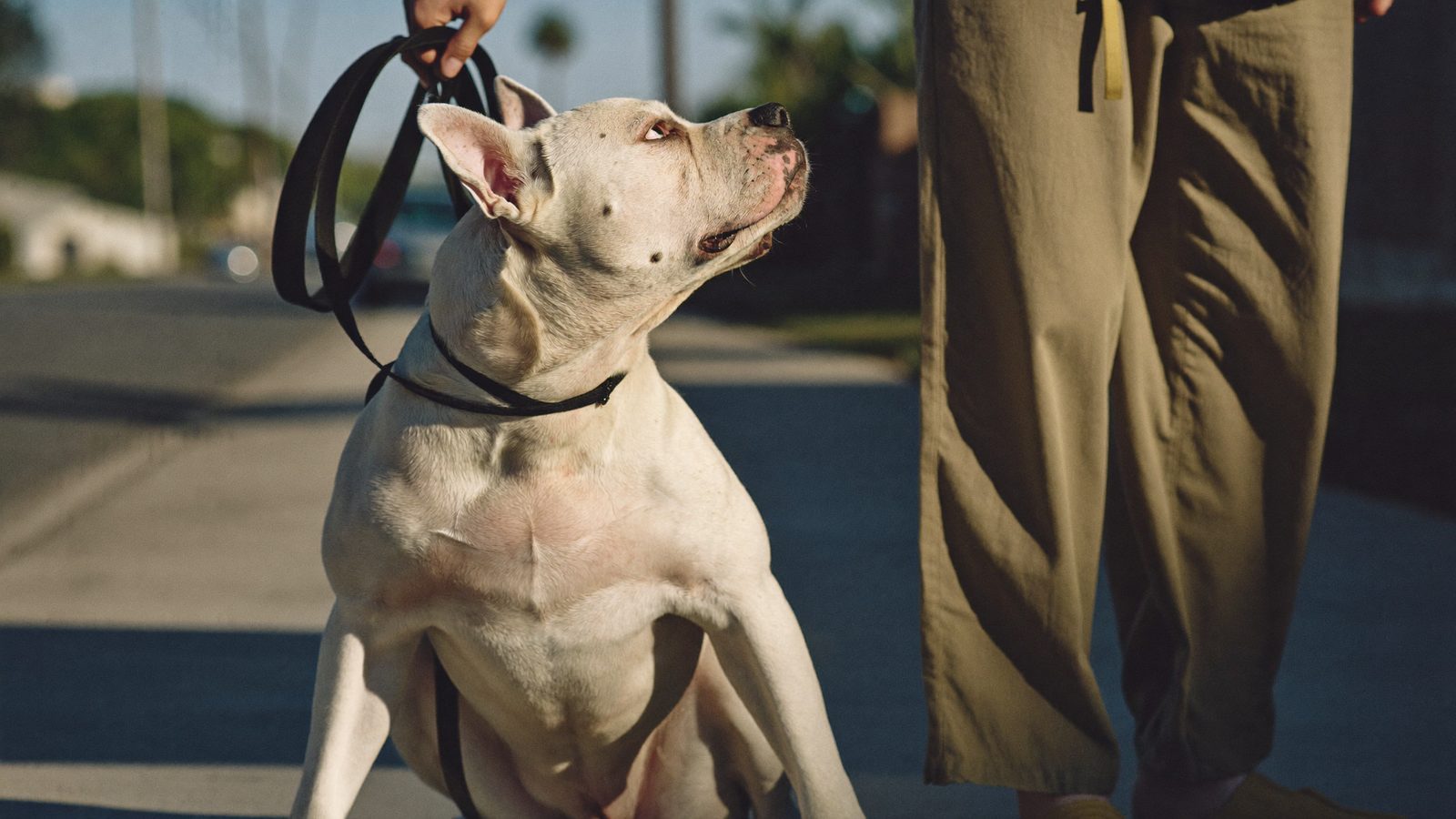
How the work is done
Structure, repetition and consistency, applied in the places your dog actually struggles.
1
Consistency and structure
Dogs thrive on routine and predictability. Consistent handling is what makes the difference between a dog that understands the rule and a dog that gambles on it.
2
Reward what you want repeated
Reward-based methods, treats, praise or toys, so the behavior you want becomes the behavior that pays. Dogs repeat what works for them.
3
Desensitization, done slowly
Gradual exposure to the trigger at an intensity low enough that your dog does not react, then closing the distance. Rushed, this backfires. It belongs with a professional.
4
Redirect, do not just punish
Instead of punishing the unwanted behavior, we give your dog a better option and make that one worth choosing, with clear, consistent verbal and physical cues.
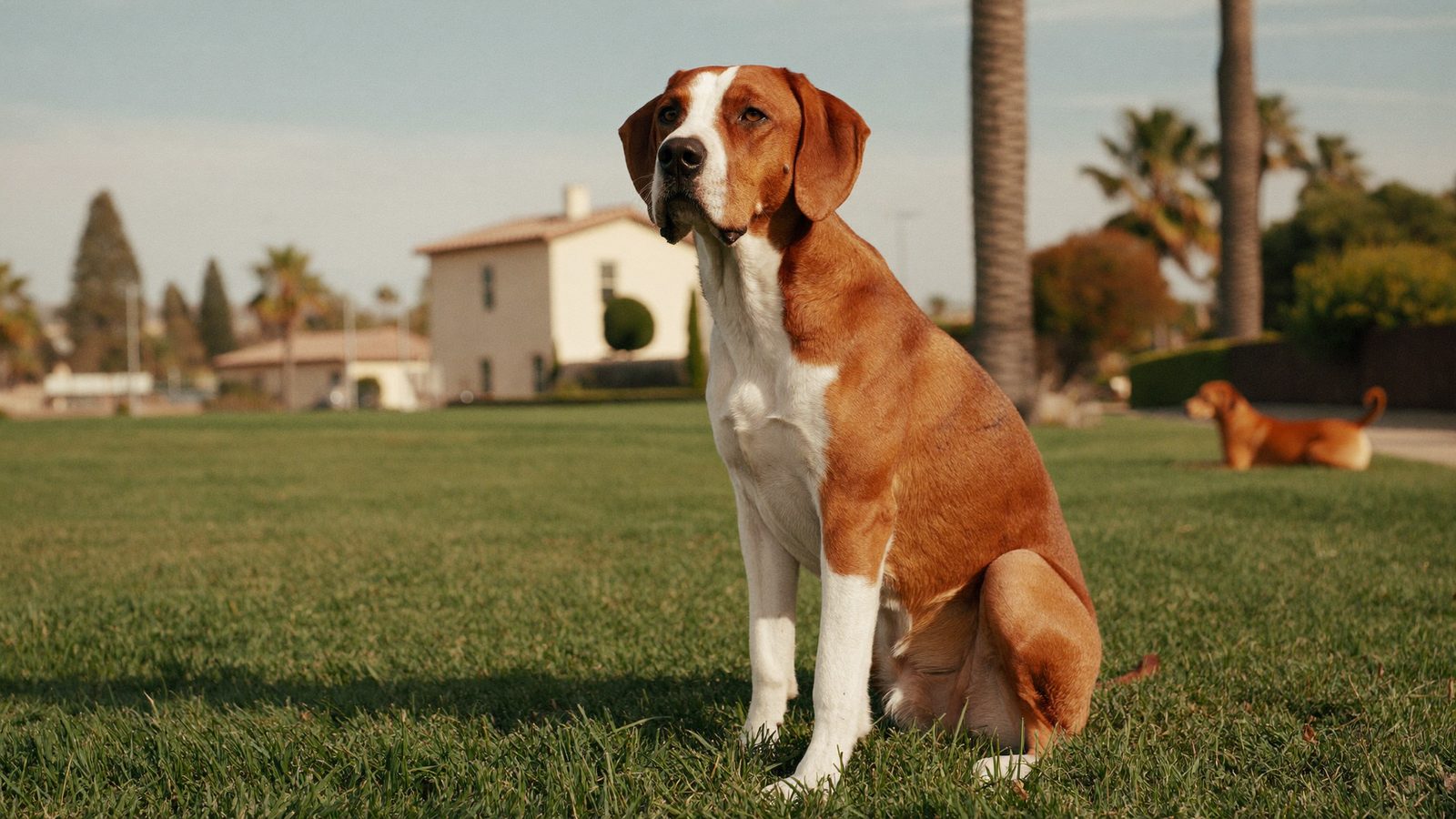
Why the same trigger keeps winning
The hardest part of behavior modification is not the dog. It is the twenty small moments a day when the old pattern gets accidentally rewarded, usually by someone who loves the dog and does not realise what they just reinforced.
Tightening the leash when another dog appears. Soothing a frightened dog at the exact moment it panics. Backing away from the food bowl. Each one is reasonable and each one tells your dog it was right.
That is why every program includes teaching you: what to reward, when to reward it, what your body is saying down the leash, and which of your current habits are quietly working against you. A dog that behaves for the trainer and nobody else has not been trained, it has been managed.
What changes when it works
The goal is not a robot. It is a dog that can cope.
Walks stop being a tactical operation. Guests can come to the door. The food bowl stops being a flashpoint. You can take your dog to a patio, a park or the beach and know roughly what you are going to get. And the relationship changes, because a dog that understands the rules is a dog that is not permanently braced for something.
That is what behavior modification is actually for: a dog that is more adaptable, more confident and easier to live with, and a household that has stopped organising itself around one animal's triggers.
- Walks you do not have to plan around
- Visitors without a scene at the door
- Public places back on the table
- A dog that looks to you when it is unsure

What San Diego dog owners say
4.8 out of 5 across 48 Google reviews, plus 4.9 on Yelp.
Cara of Dog Busters is the answer to your dog's behavior issues! We adopted a pit bull and struggled with him pulling and not behaving, and had failed other training courses that we tried for him. Literally the first day when she arrived, she knew what type of collar he needed and got him to obey and take his walk without pulling on his leash.
Our sweet pitbull shepherd mix, Annie, (1.5 years old) was barking and pulling on walks and I was looking for help. Cara immediately helped with practical tips and tools that have made a huge difference in a short time. Before Cara, I was not sure what behavior I would get in certain public places, and now I feel confident she will be very well behaved.
He came from a rescue and never had the proper training needed to be social out in the doggie world. Once before, we were never ever able to take him anywhere public with other dogs around because he would react and go crazy. Now he will actually sit or lay down if commanded and does very well on a leash.
Questions people ask before they call
If yours is not here, put it in the message box and Cara will answer it when she calls. There are 51 more answers on our dog training FAQ page.
Is my dog too aggressive to be helped?
Almost certainly not. Aggression is a behavior, not a personality, and it is one of the most common reasons people call Dog Busters. What matters is what triggers it, how long it has been rehearsed and how the household responds to it. Cara will ask you exactly those questions on the phone and tell you honestly what she thinks before you spend anything.
How is behavior modification different from obedience training?
Obedience teaches your dog what to do. Behavior modification changes how your dog feels about the thing that sets it off. A reactive dog that has been taught to sit is still a reactive dog sitting down. We work on the underlying fear, frustration or arousal, then build the obedience on top of it.
What causes this behavior in the first place?
Fear, frustration, lack of training, poor socialization, genetics, or a bad experience the dog has not moved past. Finding out which one is driving your dog is the first real piece of work, because the plan for a fearful dog and the plan for an over-aroused dog are not the same plan.
How long before I see a change?
Many owners see something shift in the first session, usually because the handling and the equipment change immediately. Lasting change takes longer and depends on how long the behavior has been practiced and how consistent the household is between sessions. Cara will give you a realistic answer for your dog rather than a number designed to close a sale.
Do you use punishment or positive reinforcement?
Reward-based methods are the backbone of the work, because dogs repeat what pays. Structure, consistency and clear communication matter just as much. Rather than punishing an unwanted behavior, we redirect the dog to a behavior that works and make that one worth doing.
What is desensitization, and can I do it myself?
It means exposing a dog to the thing it fears at an intensity low enough that it does not react, then closing the gap slowly. It works, and it is also the technique most likely to backfire in untrained hands. Pushed too fast, you confirm the dog's fear and make the next attempt harder, including for the professional who comes after you.
My dog is older. Is it too late?
No. Adult and senior dogs learn perfectly well, and a large share of the dogs Cara works with are rescues who arrived with years of habits already formed. Age changes the pace, not the outcome. There is more on this in why dog training works for older dogs.
Where does the training happen?
Where the problem happens. Your home, your street, the park, the dog beach, a restaurant patio. A dog that behaves in a training room has learned to behave in a training room. If the daily consistency is the missing piece, board and train may be the better route.
Do I have to be involved?
Yes, and that is not a formality. Dogs read the person on the other end of the leash. Most of what Cara teaches in a behavior modification program is aimed at you: timing, body language, what to reward, and what you are accidentally reinforcing right now.
What does the first conversation cost?
Nothing. Call or text (760) 978-5513 or send the form. You talk to Cara, not a call center, and if she is not the right fit for your dog she will tell you that.
Where we train, and what else we do
Serving all of San Diego County, including La Jolla, Carlsbad, Encinitas, Del Mar, Poway, Oceanside, Pacific Beach, Point Loma, Rancho Santa Fe, Solana Beach, Chula Vista, Mission Valley and every other neighborhood we cover.
Other Dog Busters programs: Board & Train, Puppy Training, Emotional Support Dogs, Virtual Training
Phone
(760) 978-5513
Call or text
Hours
Monday - Sunday
8:00 a.m. - 8:00 p.m.
Service area
All of San Diego County
Virtual training anywhere
Tell Cara what your dog does. She will tell you if she can fix it.
Call or text (760) 978-5513, seven days a week, 8:00 a.m. to 8:00 p.m.