
Dog Board and Train San Diego
Send your dog to us. Get a different dog back.
Ten to twenty days living with a certified professional trainer in a real home, not a kennel run. Your dog learns where dogs actually live, then Cara comes to your house and hands the training over to you. Tell us what your dog is doing and she will tell you honestly whether board and train is the right call.
- Your dog lives in a home, never in a cage or a run
- 7 to 10 day minimum, most dogs stay 10 to 20 days
- At least one in-home handover session included
- Free consultation with Cara herself, no obligation
Ask about board and train
Takes about a minute. Tell us your dog's breed, age and what is going on, and you will hear back the same business day.
"*" indicates required fields
4.8 out of 5
Based on 48 Google reviews from San Diego dog owners
10+ years
Transforming dog behavior across San Diego County
Certified
Professional dog trainer through K9 Companions, North San Diego
240+ hours
Of specialized behavior and training education
Board and train is built for these dogs
If two or three of these sound like your house, a week of one-hour lessons is not going to be enough.
The behavior is daily, not occasional
Lunging, barking, guarding or bolting happens every single day. Once-a-week lessons cannot out-pace a habit your dog practices twenty times a day.
You do not have the time
You know what needs doing. Between work and family you cannot run structured sessions three times a day for a month. Someone has to, and it can be us.
Nothing has worked so far
Group classes, YouTube, a previous trainer. The dog behaves in the class and falls apart at home, because the class never dealt with the real environment.
Your dog is reactive or aggressive
Lunging at dogs or people, resource guarding, biting. These need consistent daily handling from someone who has seen it before, not weekly homework.
You are travelling anyway
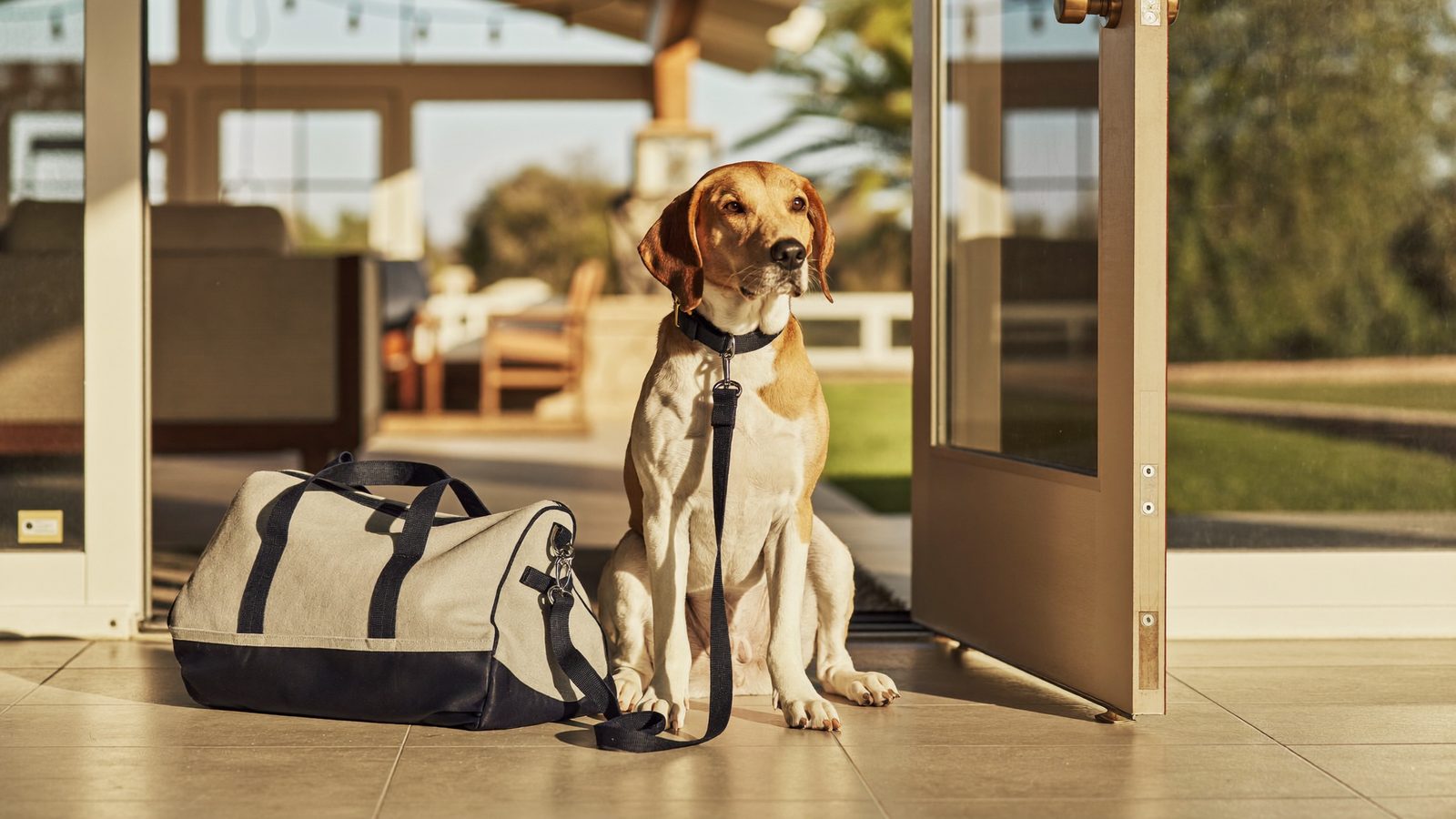
Your dog needs somewhere to stay. Make it count. You board once and collect a trained dog instead of the same dog plus a bill.
The problems live at home
Potty training, counter surfing, door dashing, separation anxiety. These only show up in a house, which is exactly where your dog will be staying.
How board and train actually works
No queue, no sales script, no call center.
1
The free consultation
You call or send the form. Cara asks what your dog does, when it started and what sets it off, and tells you honestly whether board and train is the right program.
2
Your dog moves in
Ten to twenty days in a home, with a 7 to 10 day minimum. Structured training every day, then yard time, deck time, dog beds and one-on-one attention.
3
Real-world repetition
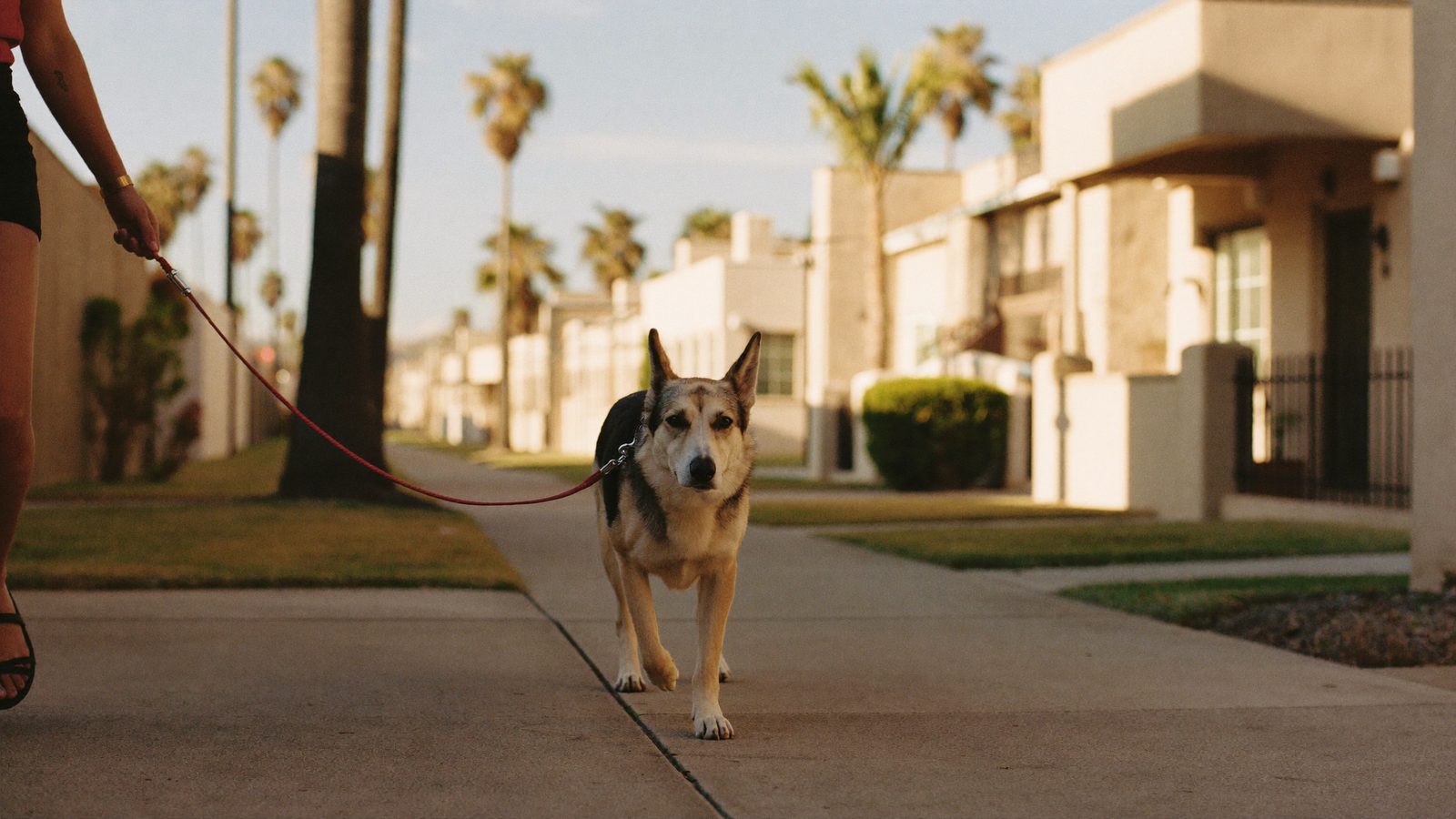
Training happens where dogs live: kitchens, hallways, front doors, sidewalks, the car. Your dog practices the new behavior in the places the old one used to happen.
4
The handover, at your house
Cara comes to your home and teaches you what worked. Most clients add the discounted four-lesson package and keep practicing at parks, dog beaches and patios.
Why a home beats a kennel, in Cara's own words
Most board and train programs run out of training facilities. Dogs live in runs or cages and come out for sessions and bathroom breaks. Cara knows this because she trained at one.
What she watched happen there is why Dog Busters does it differently. Dogs in that setup are living, eating and eliminating in the same confined space, and plenty of them regress in their potty training while they are supposedly being trained. The environment is cold and intimidating, and a frightened dog is a slow learner.
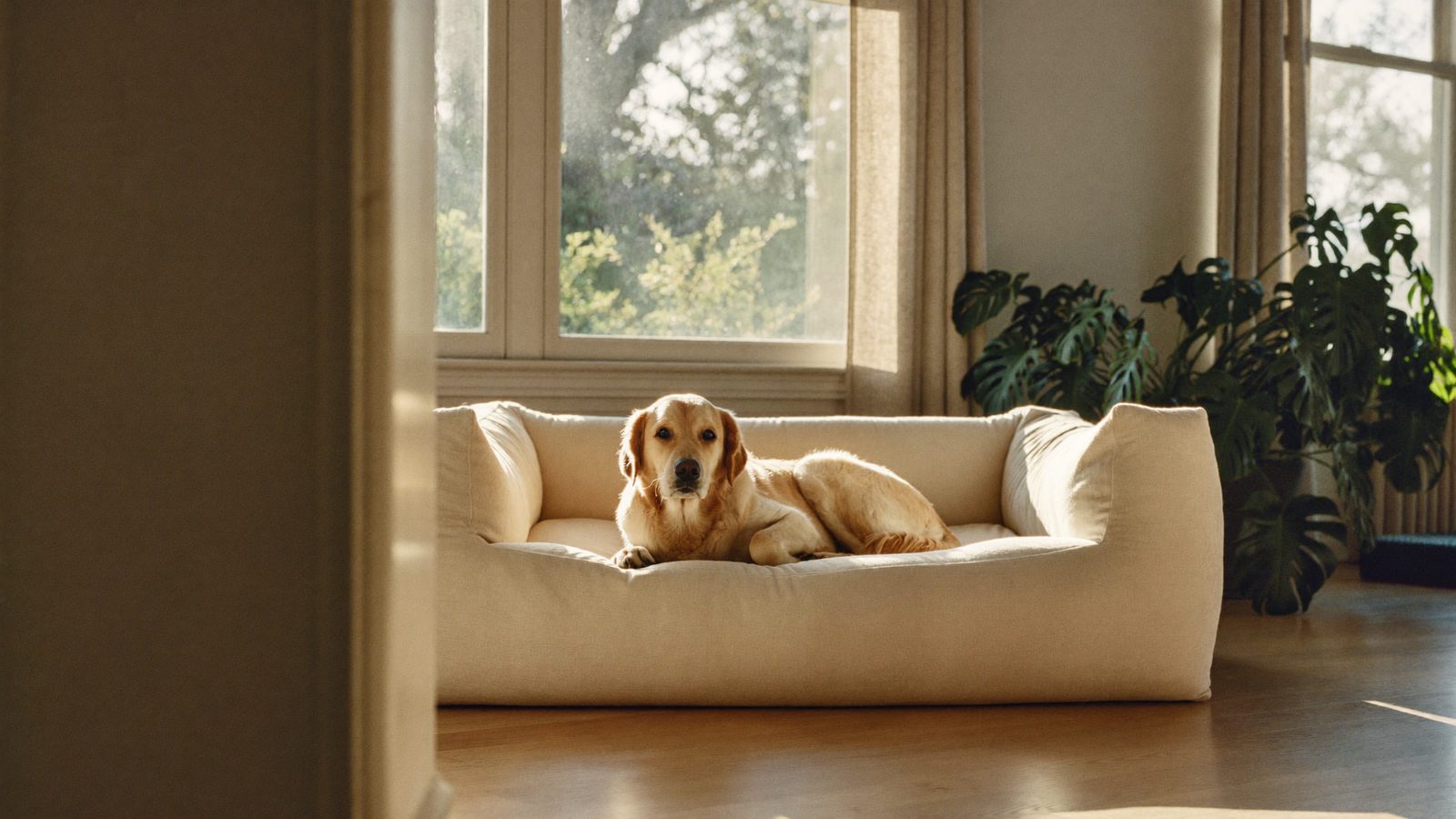
At Dog Busters your dog lives in a comfortable home with a certified professional trainer and behaviorist. When it is not working it is playing in the yard, lying on the deck, sprawled on a dog bed or getting attention. That is not a luxury detail. A dog that is relaxed learns faster, and a dog learning in a real home is learning in the same kind of environment it is going home to.
- Limited space, so your dog is not one of a dozen
- Lives with the trainer, not in a run
- Learns in kitchens, hallways and doorways, where the problems happen
- Structured, safe and affectionate, not clinical
What your dog comes home knowing
The program is built around what your dog is actually doing wrong, so no two stays look the same. Across the dogs who come through, this is the ground we cover.
- Basic and advanced obedience
- Home manners and loose-leash walking
- Socialization and reactivity around other dogs
- Potty training and barking problems
- Begging, play-biting, counter surfing and food stealing
- Jumping on people and door dashing
- Separation anxiety
- Targeted behavior modification for reactivity, aggression, fear and anxiety
The handover is where most programs fail
Here is the uncomfortable truth about board and train: it is not enough that your dog respects Cara and behaves in her environment. If nothing changes at your end, the dog drifts back within weeks. That is why every package includes at least one in-home session after your dog comes back.
Cara comes to your house and teaches you the specific techniques that worked on your specific dog. Not general principles, the actual handling, timing and equipment that got the result. Most clients then take the discounted four-lesson package, which is where the training really sets.
Those sessions do not have to happen in your living room. Parks, dog beaches, restaurant patios, wherever your dog struggles in public. The goal is a dog that is calm, attentive and responsive to you, regardless of what is going on around it.
What San Diego dog owners say
4.8 out of 5 across 48 Google reviews, plus 4.9 on Yelp.
Cara of Dog Busters is the answer to your dog's behavior issues! We adopted a pit bull and struggled with him pulling and not behaving, and had failed other training courses that we tried for him. Literally the first day when she arrived, she knew what type of collar he needed and got him to obey and take his walk without pulling on his leash.
Our sweet pitbull shepherd mix, Annie, (1.5 years old) was barking and pulling on walks and I was looking for help. Cara immediately helped with practical tips and tools that have made a huge difference in a short time. Before Cara, I was not sure what behavior I would get in certain public places, and now I feel confident she will be very well behaved.
He came from a rescue and never had the proper training needed to be social out in the doggie world. Once before, we were never ever able to take him anywhere public with other dogs around because he would react and go crazy. Now he will actually sit or lay down if commanded and does very well on a leash.
Questions people ask before they call
If yours is not here, put it in the message box and Cara will answer it when she calls. There are 51 more answers on our dog training FAQ page.
How long does board and train take?
Most dogs stay 10 to 20 days, with a 7 to 10 day minimum. The length depends on what we are fixing. Basic manners and leash work sit at the shorter end. Reactivity, aggression, fear and long-established habits need the longer end, because we are replacing a pattern your dog has practiced for months or years, not teaching a trick.
Will my dog be kept in a kennel or a crate all day?
No. That is the whole reason this program exists. Cara trained at a facility where dogs lived in runs and came out only for sessions and bathroom breaks, and she watched dogs regress in their potty training from eating and eliminating in the same confined space. Your dog lives in a home. Between training sessions it plays in the yard, relaxes on the deck, lies on dog beds and gets one-on-one attention.
How many dogs are there at one time?
Space is deliberately limited. This is not a facility running a dozen dogs through a curriculum. Your dog gets individual attention and a training plan built around its specific problems.
What happens when my dog comes home?
Every board and train package includes at least one in-home session after your dog comes back. That session is not optional politeness, it is the point. It is not enough that your dog respects Cara in her environment. She comes to your house, teaches you the exact techniques that worked, and shows you how to hold the line and build on it. Most clients also add the discounted four-lesson package.
Can we practice in real places, not just the house?
Yes, and you should. Follow-up sessions can happen at parks, dog beaches and restaurant patios, wherever your dog actually falls apart. A dog that behaves only in a quiet living room has not really learned anything.
What behaviors can board and train actually fix?
Basic and advanced obedience, home and leash manners, socialization and reactivity, potty training, barking, begging, play-biting, food stealing, jumping on people, separation anxiety, and targeted behavior modification for reactivity, aggression, fear and anxiety.
Is board and train right for an aggressive dog?
Often it is the best option, because aggression needs daily consistent handling rather than one session a week. But Cara will tell you honestly on the phone whether your dog is a fit. If a different program serves your dog better, she will say so.
We are travelling anyway. Can we combine boarding with training?
That is one of the most common reasons people book it. You need somewhere for your dog to stay regardless, so the trip becomes training time instead of dead time. Book early, because space is limited.
Do you take puppies for board and train?
Sometimes, depending on age, vaccination status and what you are trying to achieve. For most young puppies the private in-home puppy training program is the better fit, because so much of that work is about training you as well as the puppy.
How do I get started?
Call or text (760) 978-5513 or send the form on this page. The first conversation is free, you speak with Cara rather than a call center, and there is no obligation to book anything.
Where we train, and what else we do
Serving all of San Diego County, including La Jolla, Carlsbad, Encinitas, Del Mar, Poway, Oceanside, Pacific Beach, Point Loma, Rancho Santa Fe, Solana Beach, Chula Vista, Mission Valley and every other neighborhood we cover.
Other Dog Busters programs: Behavior Modification, Puppy Training, Emotional Support Dogs, Virtual Training
Phone
(760) 978-5513
Call or text
Hours
Monday - Sunday
8:00 a.m. - 8:00 p.m.
Service area
All of San Diego County
Virtual training anywhere
Space is limited. Start with a free conversation.
Call or text Cara at (760) 978-5513, seven days a week, 8:00 a.m. to 8:00 p.m.