
Puppy Training
The habits your puppy forms now are the dog you get for the next fifteen years.
Potty training, biting, chewing, jumping and leash manners are all far easier to build than to undo. Cara trains your puppy in your home, at your puppy's pace, in the places it will actually live, and trains your household along with it.
- Private sessions, never a crowded group class
- Built around the 8 to 16 week socialization window
- Potty training, bite inhibition, leash manners and confidence
- Free consultation with Cara herself, no obligation
Ask about puppy training
Tell us your puppy's age and breed and what is driving you up the wall. You will hear back the same business day.
"*" indicates required fields
4.8 out of 5
Based on 48 Google reviews from San Diego dog owners
10+ years
Transforming dog behavior across San Diego County
Certified
Professional dog trainer through K9 Companions, North San Diego
240+ hours
Of specialized behavior and training education
What we sort out first
Nothing here is unusual. All of it gets worse if you wait.
Potty training
Accidents in the house, no clear signal, and a household where everyone is doing something slightly different.
Biting and mouthing
Needle teeth on hands, ankles and children. Normal puppy behavior, and the window for teaching bite inhibition is short.
Chewing everything
Furniture, shoes, cables. Part teething, part boredom, part nobody having taught an alternative yet.
Jumping on people
Cute at eleven pounds, a problem at sixty. Far easier to prevent than to retrain later.
Pulling on the leash
The first walks set the pattern. A puppy that learns pulling gets it somewhere will pull for years.
Nervousness and over-excitement
Confidence is built, not born. What your puppy meets between 8 and 16 weeks shapes the adult dog.
Why one-on-one beats a puppy class
Most puppy training in San Diego is sold as a group class. A room of young dogs, one curriculum, one pace. For a bold puppy it becomes a party and it learns that other dogs are more interesting than you. For a soft puppy it is overwhelming, and it learns that new places are frightening.
Socialization genuinely matters. But a one-size-fits-all class cannot adapt to your puppy's personality, its learning speed or the specific things going wrong at your house, which is where the actual problems live.
Cara works with you and your puppy in comfortable, real-world environments: the rooms your puppy lives in, the street you walk down, the yard it plays in. Foundation skills get built where they will be used, which is why they hold.
- A plan for your puppy, not the average puppy
- Training in the rooms and streets you actually use
- The whole household taught the same rules
- Confidence built at your puppy's pace
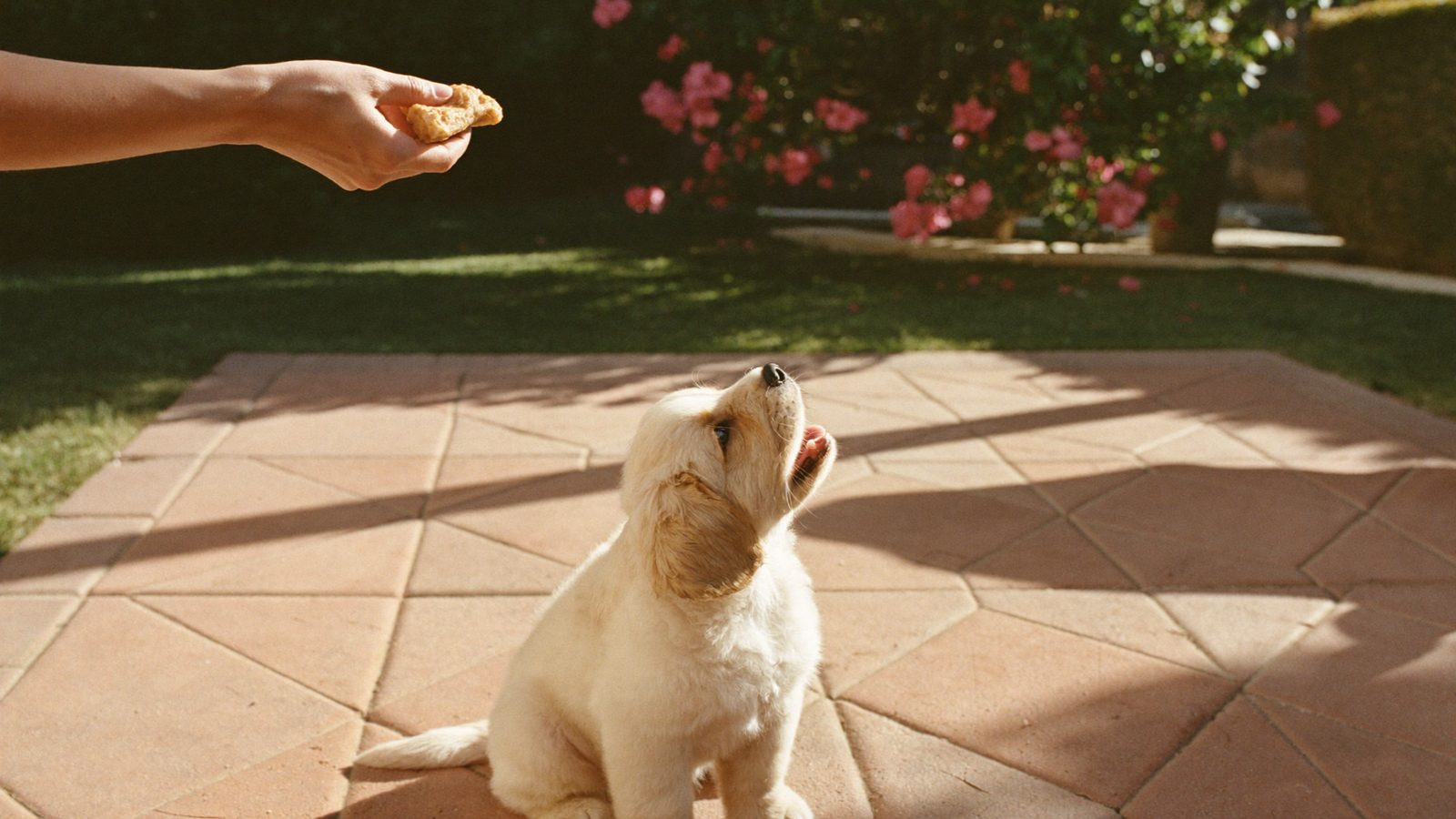
How puppy training runs
Short, frequent, and built around a very short attention span.
1
Free consultation
You tell Cara your puppy's age, breed and what is happening. She tells you what to prioritise and whether to start now or wait.
2
Foundations at home
Potty training, name recognition, basic obedience and bite inhibition, in the rooms where the problems are happening.
3
Out into the world
Leash manners, new surfaces, new sounds, new people, at a pace that builds confidence instead of fear. This is the socialization window doing its work.
4
Handing it to you
The techniques, the timing and the consistency, taught to everyone in the house, so your puppy gets one set of rules instead of four.
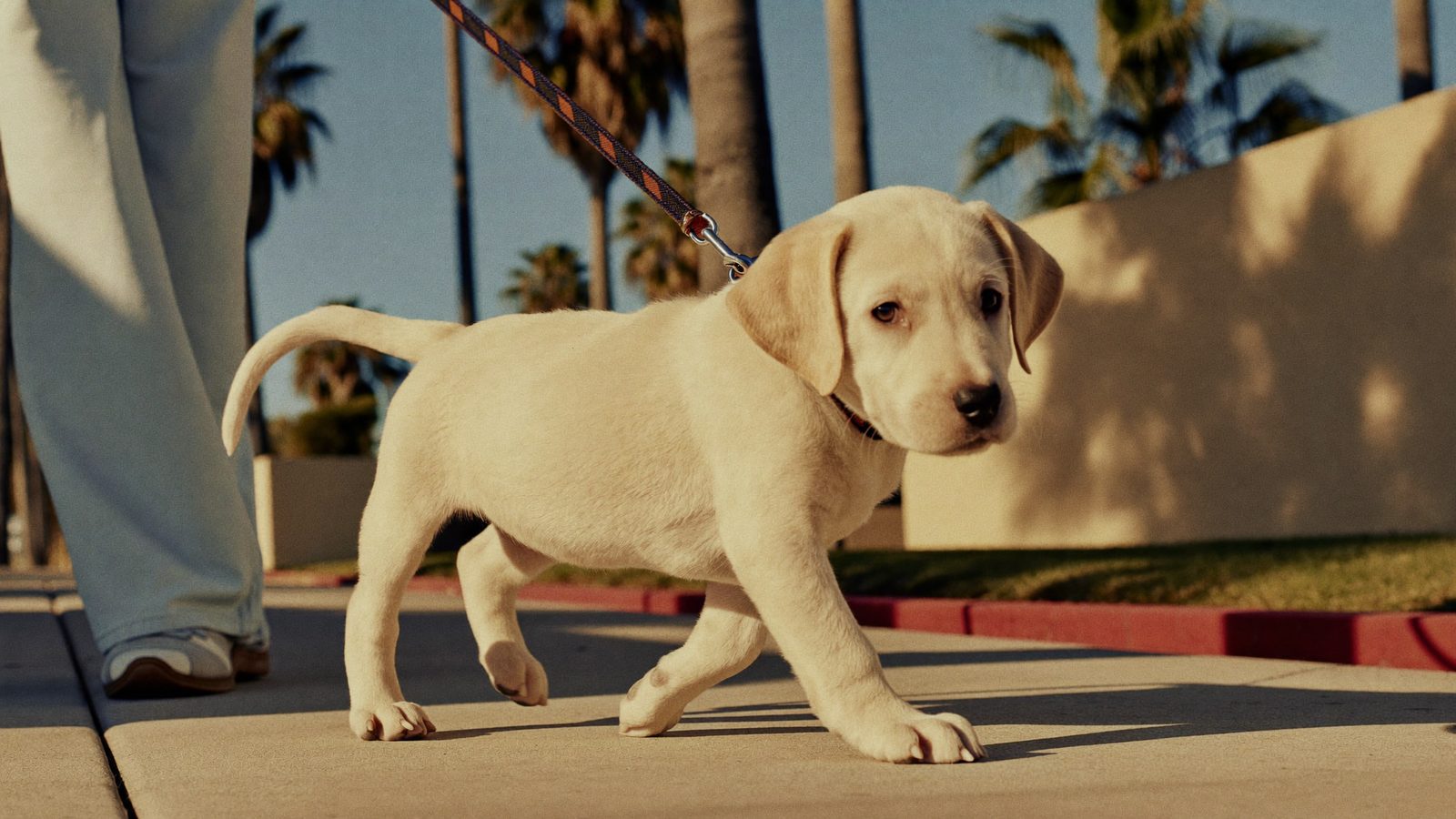
The 8 to 16 week window is not marketing
There is a period early in a puppy's life when it is unusually open to new experiences, and what it meets in that window sets its expectations about the world. Positive experiences in those weeks produce a dog that copes. Missed or frightening ones produce a dog that has to be managed later, often by a behaviorist.
This is the single most common reason people end up needing behavior modification two years later. Not bad owners. Just a window that closed while everyone was busy.
If your puppy is in that window right now, this is the cheapest and easiest training you will ever buy. If the window has closed, it is not a disaster and it is not too late, it just means the work is redirection rather than construction.
What San Diego dog owners say
4.8 out of 5 across 48 Google reviews, plus 4.9 on Yelp.
Cara of Dog Busters is the answer to your dog's behavior issues! We adopted a pit bull and struggled with him pulling and not behaving, and had failed other training courses that we tried for him. Literally the first day when she arrived, she knew what type of collar he needed and got him to obey and take his walk without pulling on his leash.
Our sweet pitbull shepherd mix, Annie, (1.5 years old) was barking and pulling on walks and I was looking for help. Cara immediately helped with practical tips and tools that have made a huge difference in a short time. Before Cara, I was not sure what behavior I would get in certain public places, and now I feel confident she will be very well behaved.
He came from a rescue and never had the proper training needed to be social out in the doggie world. Once before, we were never ever able to take him anywhere public with other dogs around because he would react and go crazy. Now he will actually sit or lay down if commanded and does very well on a leash.
Questions people ask before they call
If yours is not here, put it in the message box and Cara will answer it when she calls. There are 51 more answers on our dog training FAQ page.
How young can we start?
Earlier than most people think. The socialization window runs from roughly 8 to 16 weeks, and what happens in it shapes your dog's temperament for life. You do not wait for problems to appear before you start. You train so they never form.
Why not a group puppy class?
Group classes put a young dog in a room full of other young dogs, which is overwhelming for some puppies and a party for others, and both of those puppies learn the wrong lesson. Socialization matters, but a large class cannot adapt to your puppy's personality, learning pace or specific problems. Cara trains your puppy where it lives.
My puppy bites constantly. Is that normal?
Completely normal, and completely trainable. It is called bite inhibition and puppies learn it from feedback. What you do in the first weeks decides whether it fades out or becomes a habit that follows the dog into adulthood, when the mouth is a lot bigger.
How long does potty training take?
It depends on the puppy's age, your schedule and how consistent the household is. The single biggest factor is not the puppy, it is whether everyone in the house is doing the same thing. That is one of the first things Cara sorts out.
Where do the sessions happen?
In your home and in the places your puppy will actually live: your street, your yard, the front door, the car. Real environments beat a training room, because that is where the habits form.
What will my puppy learn?
Potty training, basic obedience, loose-leash walking, bite inhibition, and the chewing, jumping and mouthing that come as standard. Plus confidence, which is the part people underrate.
Can you train the kids too?
That is usually the real job. A puppy that gets one rule from you and a different one from everyone else learns that rules are negotiable. Cara will get the whole household saying the same thing.
Do you offer board and train for puppies?
Sometimes, depending on age and vaccination status. For most young puppies private in-home sessions work better, because so much of the training is about teaching you. If you want to weigh it up, ask about board and train on the call.
We already have problems and our puppy is 6 months old. Too late?
No. Six months is still early. Habits that have started are easier to redirect than habits that have run for two years, and this is exactly the age most people call.
How do we start?
Call or text (760) 978-5513 or send the form. The first conversation is free and you speak with Cara directly.
Where we train, and what else we do
Serving all of San Diego County, including La Jolla, Carlsbad, Encinitas, Del Mar, Poway, Oceanside, Pacific Beach, Point Loma, Rancho Santa Fe, Solana Beach, Chula Vista, Mission Valley and every other neighborhood we cover.
Other Dog Busters programs: Behavior Modification, Board & Train, Emotional Support Dogs, Virtual Training
Phone
(760) 978-5513
Call or text
Hours
Monday - Sunday
8:00 a.m. - 8:00 p.m.
Service area
All of San Diego County
Virtual training anywhere
The easiest training you will ever do is the training you do now.
Call or text (760) 978-5513, seven days a week, 8:00 a.m. to 8:00 p.m.