
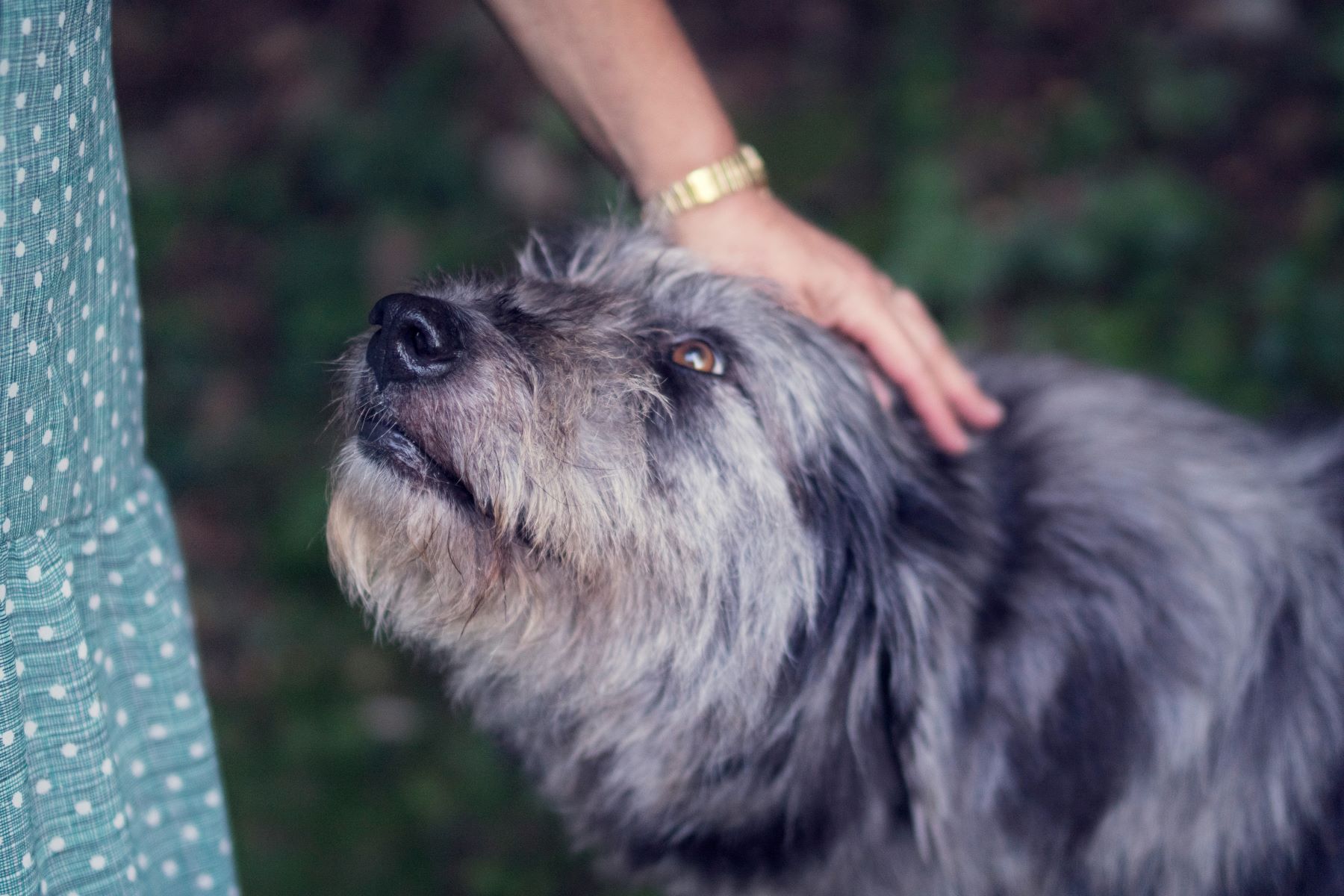
Many dog owners believe training only works for puppies, but older dogs can learn new behaviors just as effectively. Senior dogs benefit from mental stimulation, improved behavior, and stronger bonds with their owners through training. Whether your dog is seven or seventeen, professional training addresses common age-related issues like anxiety, reactivity, and declining obedience.
Older dogs often develop unwanted behaviors over time, from leash pulling to excessive barking. These habits become manageable with the right approach. Training also keeps aging minds sharp and bodies active, contributing to better overall health. The key is understanding that senior dogs learn differently than puppies, requiring patience and modified techniques that account for physical limitations and established routines.
Old Dogs Really Do Learn New Tricks
The myth that older dogs can’t learn is scientifically unfounded. Research shows that dogs maintain their ability to form new associations and adapt behaviors throughout their lives. While puppies may learn faster due to fewer ingrained habits, senior dogs often focus better during training sessions.
Older dogs have longer attention spans than puppies. They’re less distracted by every new sight and sound, making them excellent students when training methods suit their needs. The learning process simply requires different pacing and techniques that respect their physical capabilities.
Cognitive Function Stays Strong
Senior dogs retain problem-solving abilities well into their golden years. Mental exercise through training actually helps maintain cognitive function, potentially delaying symptoms of canine cognitive dysfunction. Regular training sessions act as brain workouts that keep neural pathways active.
Experience Makes Training Easier
Older dogs understand human communication patterns better than puppies. They’ve spent years reading your body language and tone, which accelerates the training process once you have the right techniques.
Health Benefits of Training Senior Dogs
Training provides physical and mental exercise that senior dogs need to stay healthy. Gentle obedience work keeps joints mobile without the strain of intense physical activity. Even simple commands like “sit” and “stay” engage muscles and maintain flexibility.
Mental stimulation from learning new behaviors reduces stress and anxiety in older dogs. This is particularly important for senior dogs who may experience confusion or disorientation. Structured training provides routine and purpose, both of which contribute to emotional wellbeing.
Dogs who participate in regular training sessions show fewer signs of age-related cognitive decline. The combination of mental challenge and positive reinforcement releases endorphins that improve mood and overall health.
Common Behavior Issues in Older Dogs
Senior dogs often develop behaviors they didn’t display in their younger years. Some of these changes stem from physical discomfort, while others result from anxiety or cognitive changes.
Typical Problems Include:
- Increased reactivity toward other dogs or people during walks
- House soiling after years of being housetrained
- Excessive vocalization, especially at night
- Anxiety when separated from owners
- Aggression related to resource guarding or pain
Physical Changes Affect Behavior
Pain from arthritis or other conditions can make dogs irritable or defensive. Hearing and vision loss may cause startle responses that seem like aggression. Understanding these physical factors is the first step in addressing behavioral changes through training.
Adapting Training Methods for Senior Dogs
Training older dogs requires modifications that account for physical limitations and established patterns. Sessions should be shorter than those for puppies, typically 5-10 minutes, to prevent fatigue and maintain engagement.
Positive reinforcement works best for senior dogs. They respond well to treats, praise, and gentle encouragement. Harsh corrections can damage the trust you’ve built over years and may cause confusion or fear in dogs with cognitive decline.
Use high-value treats that are easy to chew. Many senior dogs have dental issues that make hard treats uncomfortable. Soft, aromatic treats capture their attention even if their sense of smell has diminished.
Consider Physical Limitations
Adjust exercises for dogs with arthritis or mobility issues. Instead of repeated sits and downs, focus on stationary commands that don’t stress joints. Hand targets and nose touches work well for dogs with limited mobility.
The Social Benefits of Training
Training creates opportunities for senior dogs to interact with their environment in positive ways. Dogs who learn to walk calmly on leash can join you for more outings, reducing isolation and boredom.
Well-trained older dogs integrate better into households with new pets or family members. If you adopt a puppy or have grandchildren visiting, a trained senior dog handles these changes with less stress. Basic obedience makes daily life safer and more enjoyable for everyone.
Training also strengthens your bond with your aging dog. The time spent together in focused, positive interaction deepens your relationship during their final years. Many owners find that training their senior dog brings them closer than they’ve been since the dog was young.
When Professional Help Makes a Difference
Some behavioral issues in older dogs require professional expertise. If your senior dog has developed aggression, severe anxiety, or behaviors that impact quality of life, a professional trainer can assess the underlying causes and create a customized plan.
Dog Busters specializes in working with dogs of all ages throughout San Diego. Our trainers understand the unique needs of senior dogs and develop programs that address age-related challenges while respecting physical limitations. Contact us to discuss how training can improve your older dog’s remaining years.
Professional trainers identify whether behavioral changes stem from medical issues that need veterinary attention. They also teach you techniques to continue training at home, ensuring consistent progress.
Starting Training Today
You can begin training your senior dog immediately with simple exercises. Start with basic commands your dog may have forgotten or never learned properly. Choose a quiet environment with minimal distractions.
Keep initial sessions brief and positive. End on a successful note, even if that means stopping after just a few minutes. Consistency matters more than duration when training older dogs.
Track your dog’s progress and adjust your approach based on their response. Some dogs need more repetition, while others pick up commands quickly but require frequent refreshers. Be patient with setbacks, which are normal when working with senior dogs.
Training older dogs requires commitment, but the rewards are substantial. You’ll enjoy a better-behaved companion while giving your dog mental stimulation and purpose in their senior years. Every dog deserves the opportunity to learn and grow, regardless of age.